
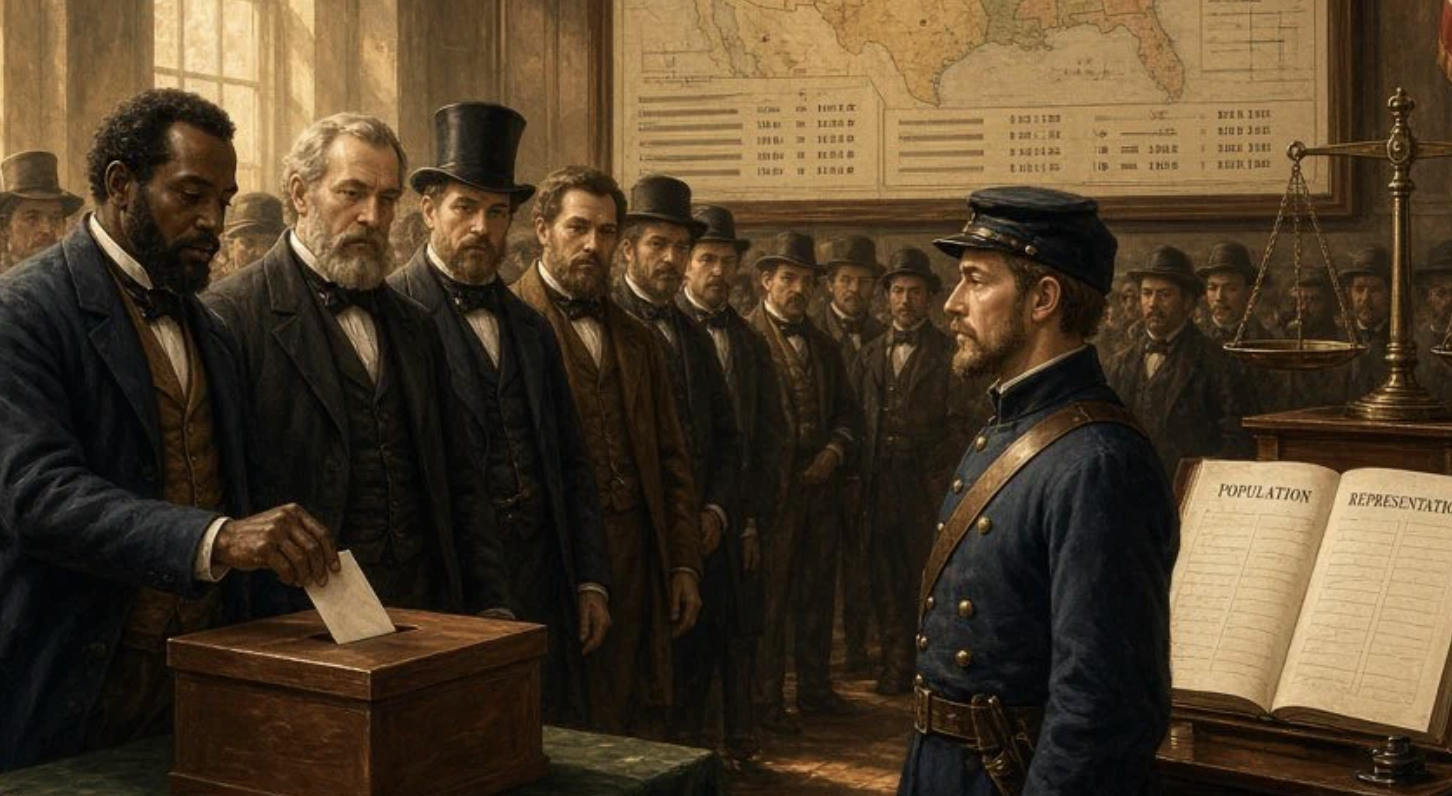
Gary argues against Robert Reich’s proposal to nationalize SpaceX and Starlink, connecting private enterprise, constitutional limits, and government-run education.
Before science as we know it today could get started in proposing theories, certain assumptions about the way the world works had to be understood to be valid and operationally consistent. These universal laws operated predictably because the majority of people—scientists included—accepted that they were God’s laws, established and upheld by Him, even if they did not know how the world worked the way it does.
It has even been suggested that such a view played a key role in the successful development of science in the Western cultures, and did so because they were influenced by the Judaeo-Christian tradition which fostered faith in the underlying rationality and orderliness of Nature during periods of history when human ideas were inbred by all manner of magical and occult notions.
Life is predictable because God is predictable. Even those who did not embrace a biblical worldview knew that they could not develop an ordered world without the shared belief that God was necessary to make it happen.
In cultures where progress was made in mathematics, science, medicine, political theory, and law, people assumed the world was not an illusion, that truth mattered, and man was a rational being created by a rational God, even though at times man behaved irrationally and believed irrational things. Cultures that believed that spirits inhabited trees, rocks, and animals made very little progress culturally and scientifically because they never knew what the spirits might do. There was never a guarantee that what people did one day could be repeated on another day. The world was at the mercy of forces controlled by capricious gods who were always changing the rules. The Bible makes it clear that neither people nor things are controlled by impersonal forces. The world was created by God (Heb. 1:1) and is held together by Him in terms of physical laws that He established (Col. 1:17).
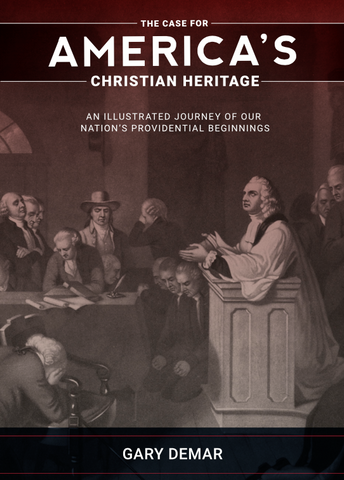
The Case for America's Christian Heritage
America’s Christian heritage is writ large in its state Constitutions, charters, laws, symbols, and repeated stated reliance on the overruling providence of God. It’s not enough, however, to relive history. There’s much work before us to reset the foundation stones of a firm reliance on Divine Providence. We need to heed the words of Benjamin Franklin who quoted Psalm 127:1 during the drafting process of the Constitution: “except the Lord build the house they labor in vain that build it,” and “that without His concurring aid we shall succeed in this political building no better, than the Builders of Babel.” The principles that were true and necessary centuries ago for building nations are equally true and necessary today.
Buy NowGary argues against Robert Reich’s proposal to nationalize SpaceX and Starlink, connecting private enterprise, constitutional limits, and government-run education. He also challenges common interpretations of the Constitution’s Three-Fifths Clause and says competition is essential to economic and educational performance.